
Warm edge spacers for insulated glass units
Avery Dennison delivers high barrier multilayer laminates for the production of warm edge spacers, also known as window spacers, the component that keeps insulated glass units (IGUs) such as double- and triple-glazed windows performing over their service life. Our adhesive tape and glazing tape solutions keep glass panes correctly separated, seal the spacer against moisture, and prevent argon gas transmission for maximum thermal effectiveness. Alongside weather strips and seals, the spacer is one of the components that determines how well the finished unit performs.
Why the spacer matters
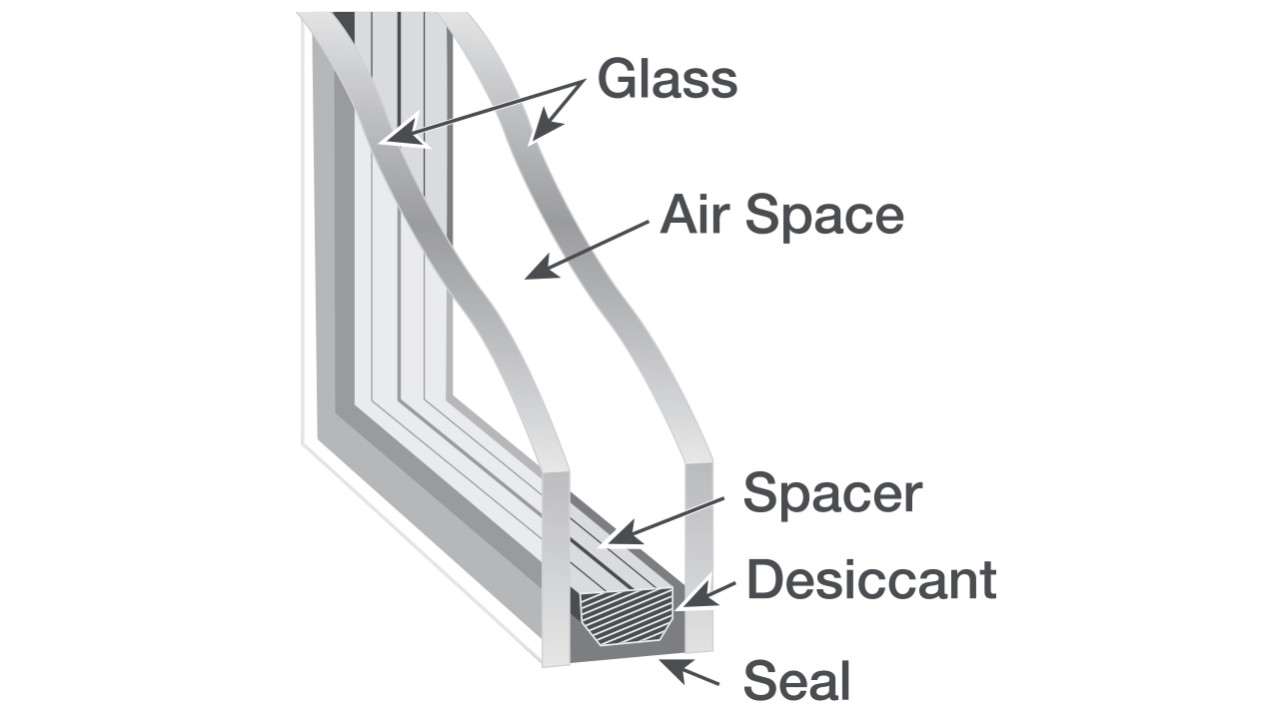
An IGU is more engineered than two or three panes of glass held apart. Each one depends on several components working together: the glass itself, a spacer that separates the panes and retains the gas fill while keeping moisture out, a desiccant that absorbs any moisture that does get in, a gas fill (usually dry air or an inert gas such as argon, krypton or xenon) that reduces heat transfer, and primary and secondary sealants that hold the whole assembly together for the long term. Once assembled, the finished IGU still has to survive transport to site, typically protected in transit by protective pads.
Metal, non-metal, or warm edge
There are three common approaches to the spacer:
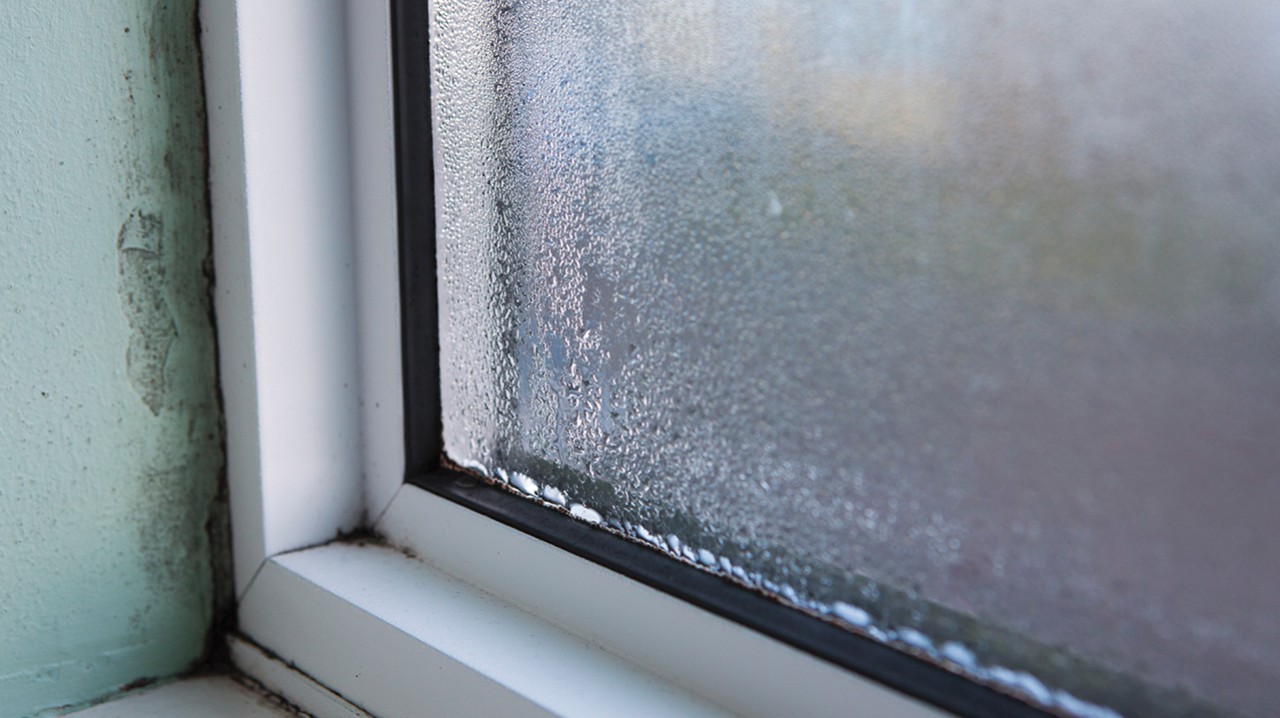
Metal spacers (aluminum, galvanized or stainless steel) handle stress well and act as a strong barrier, but their high thermal conductivity means poor insulation value: a cold bridge at the edge of the glass.
Non-metal spacers (composite, foam or thermoplastic) solve the insulation problem but are typically too permeable to gas and water vapor on their own.
Warm edge spacers combine the two: a non-metal spacer body with a high-performance barrier film on the exterior. This gets the low thermal conductivity of the non-metal design without the permeability problem, since the barrier film supplies the moisture and gas resistance that metal spacers offer.
This is where Avery Dennison's barrier laminates do the work: extremely high barrier performance combined with extremely low thermal conductivity, removing the drawback you'd otherwise get from an all-metal spacer.

Features and benefits of warm edge spacers
Features
- Ultra-high barrier to moisture, with market-leading properties
- Negligible thermal bridge compared with aluminum or stainless steel foil laminates
- Low gas permeation
- Exceptional surface treatment for adhesion to sealants and spacer materials
- Very high resistance to corrosion
Benefits
- Easy installation of frame spacers, saving time and resources, and suitable for automated installation
- Accommodates stress from thermal expansion and pressure differentials
- Reduces heat loss and prevents interior condensation
- Contributes to a building's green credentials
Grounded in clear values
Linking these technologies to the application helps you specify with confidence. Talk to our technical team about the right adhesive for your window and door assembly.

Quin Dams
Market Segment Manager Building & Construction / General Industrial
Quin is passionate about technical building applications since he designed and built his family home back in 2012.
Professionally, Quin held several positions as Product Manager responsible for the product life cycle of many technical applications related to the building environment, namely in adhesives, lighting and plastics.
He joined Performance Tapes Europe as a Market Segment Manager for tape applications in the construction and industrial markets where he teams up with customers and R&D to achieve tape solutions that improve the installation of buildings and related products and processes.
quin.dams@eu.averydennison.com
www.linkedin.com/in/quin-dams
Resources
Frequently asked questions
-
What is a warm edge spacer and why is it important?
A warm edge spacer is a thermally optimized spacer used in insulated glazing units. By reducing thermal bridging at the window edge, it improves energy efficiency and comfort, and helps lower heating and cooling costs, an important differentiator in markets with strict energy regulations.
-
How do Avery Dennison tapes contribute to performance?
Our high barrier multilayer laminates form the moisture and gas barrier on the spacer itself, then bond securely to the glass for strong, durable adhesion. That combination supports long-term structural integrity, while resistance to aging and climatic stress preserves insulating performance over time and reduces the risk of unit failure.
-
Are the tapes compatible with different spacer materials?
Yes. They are designed to bond reliably with the most commonly used spacer materials, including advanced plastics and hybrid metal combinations, ensuring flexibility for different system designs.
-
How does a warm edge spacer compare with a traditional metal spacer?
A metal spacer resists stress well and blocks gas and moisture effectively, but conducts heat, creating a cold bridge at the glass edge. A warm edge spacer uses a barrier film on a non-metal body to get the insulation benefit of a non-metal design without losing the moisture and gas barrier a metal spacer provides.