
News release: Survey shows Americans embrace “peel and stick” DIY solutions
92% of Gen Z and Millennials would use a peel-and-stick solution for home improvement
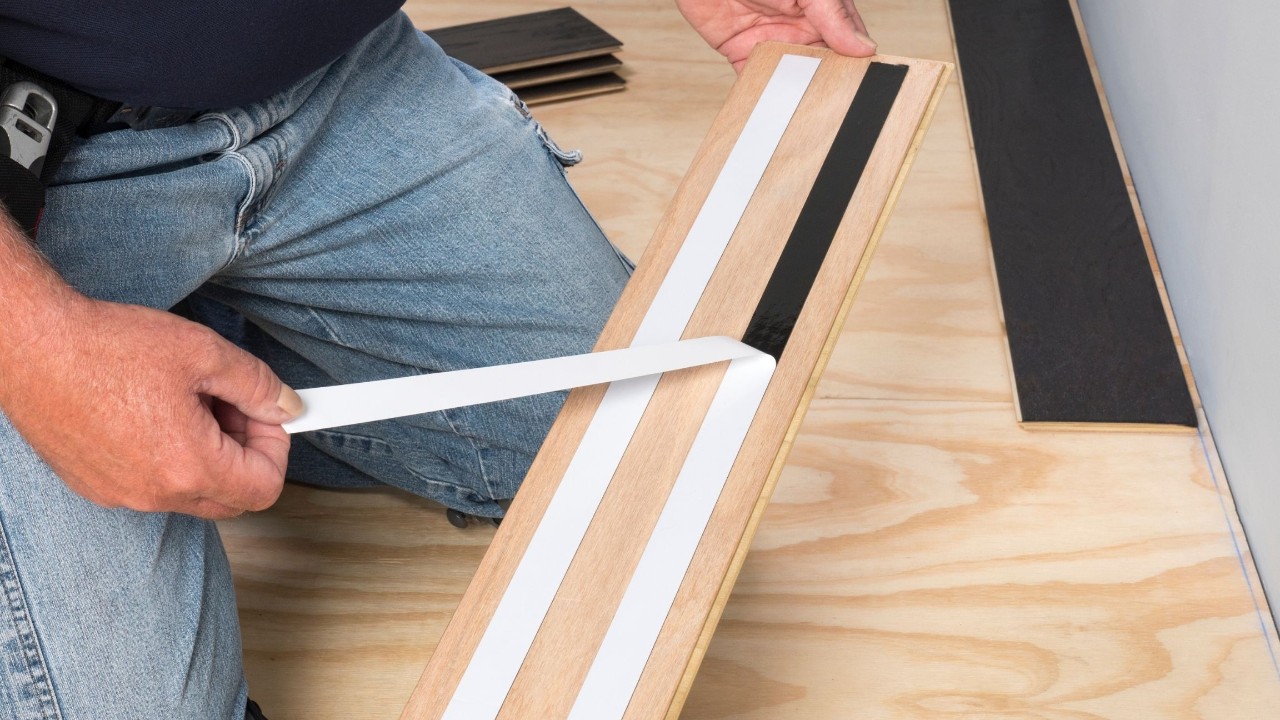
PAINESVILLE, Ohio (March 4, 2026) —When it comes to tackling home improvement, a vast majority of Americans welcome “peel and stick” bonding solutions for do-it-yourself (DIY) projects. The finding comes from a survey of 1,000 Americans ages 18 or older conducted by Wakefield Research in August 2025. The survey was sponsored by Avery Dennison Performance Tapes.
It found 84% of Americans - and 92% of Millennials and Gen Z - would use a peel-and-stick product for home improvement projects such as decorative and accessory items, interior wall surfaces and trim, flooring, and tile.
The survey also found Millennials are the most confident DIY generation, with 81% of Millennials and 73% of Gen Z respondents rating their home-improvement DIY skills as “good” or “excellent” compared to only 65% of Generation X and just 44% of Baby Boomers.
“We’re seeing a generational shift as younger people tackle DIY projects and become contractors, and they’re looking for ease-of-use as well as reliability,” said Luke Johnson, business development manager, Avery Dennison Performance Tapes. “The home improvement segment has a tremendous opportunity to design products tailored to these younger generations as they grow in buying power and influence.”
DIY Frustrations strong across generations
The survey found 90% of respondents across all generations find some aspect of DIY challenging, with working in tight spaces (57%) and the need for specialized tools or equipment (51%) the most common frustrations.
Additional aspects of DIY Americans found frustrating included:
- Mounting items properly – 28%
- Surface preparation – 26%
- Getting items to stay on/put together – 24%
- Adjusting or repositioning materials – 24%
- Bonding or fastening materials – 23%
Regarding specific bonding solutions, 33% named the nail and plastic fastener as the most challenging bonding or fastening material.
Pressure-sensitive adhesives (PSAs) solve DIY frustrations
PSAs often require no tools and can make it easier for DIYers to work in spaces that might be challenging to navigate with tools and fasteners, addressing the most common frustrations identified in the survey.
In addition, high-performance PSA technology has advanced in recent years to offer advantages that traditional bonding methods like nails, screws and glues don’t. These include:
- Easy repositionability
- Low VOC emissions, important in indoor environments
- Durability in challenging environments, including extreme cold and humidity
The wide range of applications for PSAs in home improvement is growing and includes wall mounting, lighting, blinds, floor tiles, functional and decorative mounting, edge bands and cabinets, and backsplashes and tiles.
“Pressure-sensitive adhesives can match or exceed the reliability of traditional bonding solutions," said Johnson. “They are a simple alternative.”
To learn more about the survey at www.tapes.averydennison.com/growwithpeelandstick
About the survey
The Avery Dennison survey was conducted by Wakefield Research among 1,000 nationally representative Americans ages 18 or older, between August 6 – 14, 2025, using an email invitation and an online survey. The data has been weighted.